Wooden pallets categorized by industry aren't just three different codes. Even with the same dimensions of 1,200 × 1,000 mm, batches of food, textiles, and electronic components can differ in terms of hygiene, cracks, oil stains, wood chips, and fumigation. Choosing the wrong pallet means the customer returns the container—at a cost higher than the original order price difference.
This post is for purchasing from food, garment, and electronics factories in Dong Nai and surrounding areas. Hoang Gia Company manufactures acacia wood pallets in Ho Nai. Please specify the product type on the order form, not just send "regular pallets".
What are the differences between wooden pallets across different industries?
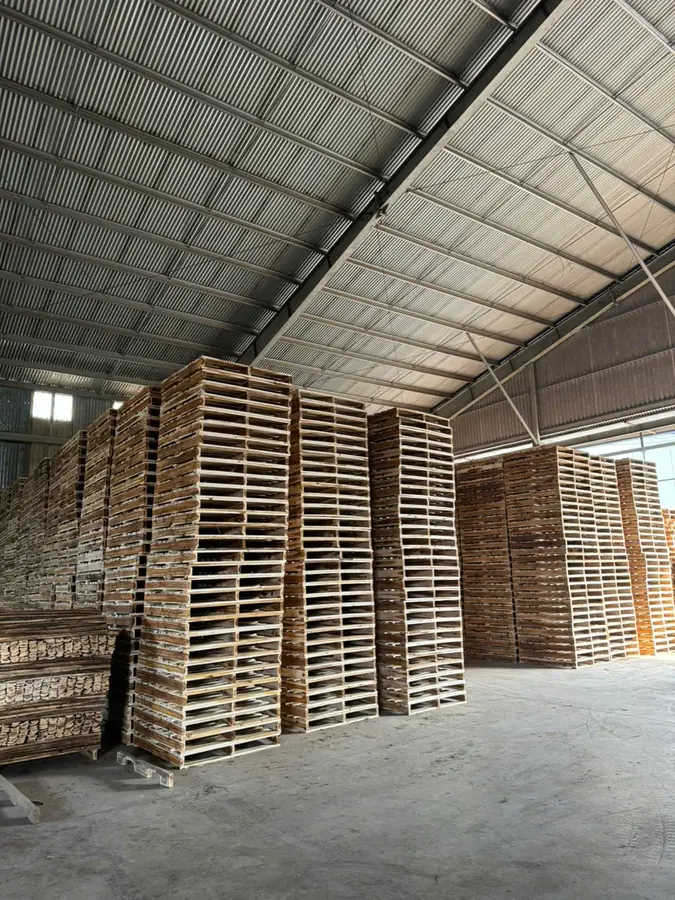
Wooden pallets vary by industry. cleanliness level, crack level, load, and fumigation.The difference lies in whether or not they have "legs". The three industries below all use 2-way or 4-way acacia wood pallets. The difference is what is allowed to be attached to the slats and what must be removed before shipment.
| Branch | Priority on the ballot | Not accepted |
|---|---|---|
| Food | Clean, minimal cracks, fumigated if for export. | Mold, termites, oil, chemicals |
| Textiles | Lightweight, the slats are clean and free from dirt. | Machine oil, fibers stuck to the fabric. |
| Electronics | Stable mm, dry surface, no splinters. | Wet, brittle, cracked feet |
Exports: read ISPM 15Located near the industrial park: Dong Nai wooden pallets.
Wooden pallets for food
Food (dry, bagged, carton) requires pallets. visible cleanThe floor is free of mold, termites, oil stains, and chemical odors. The large cracks on the surface are where powder and floor-washing water accumulate—the kind used before entering the food processing plant.
Write on the food batch label:
- The pallet surface is free of holes and protruding splinters.
- Do not reuse pallets that have been used to transport chemicals or fertilizers.
- Export: fumigation/heat drying as per instructions. IPPC's ISPM 15, the IPPC mark is readable.
- Domestic: Ask the factory's QA department if bare wood is accepted.
Wooden pallets used in the food industry don't need to be painted to look "beautiful." Using paint of unknown quality can make them even dirtier. Washing them with a high-pressure hose and then stacking them wet will cause mold to grow faster than letting them dry.
The raw materials warehouse and the finished goods warehouse should separate pallet stacks. Pallets transported to markets, dump trucks, or for chemicals must not be returned to the food processing plant. Factory QA has the right to reject entire trucks if they find oil, insects, or mold—even if the dimensions are correct in millimeters.
Post-delivery storage: elevate the item and protect it from rain. See [link/website]. How to preserve wooden palletsRoyal did not publish the "HACCP-standard" pallets in this article — we couldn't write about it because we lacked the paper.
Wooden pallets for textiles
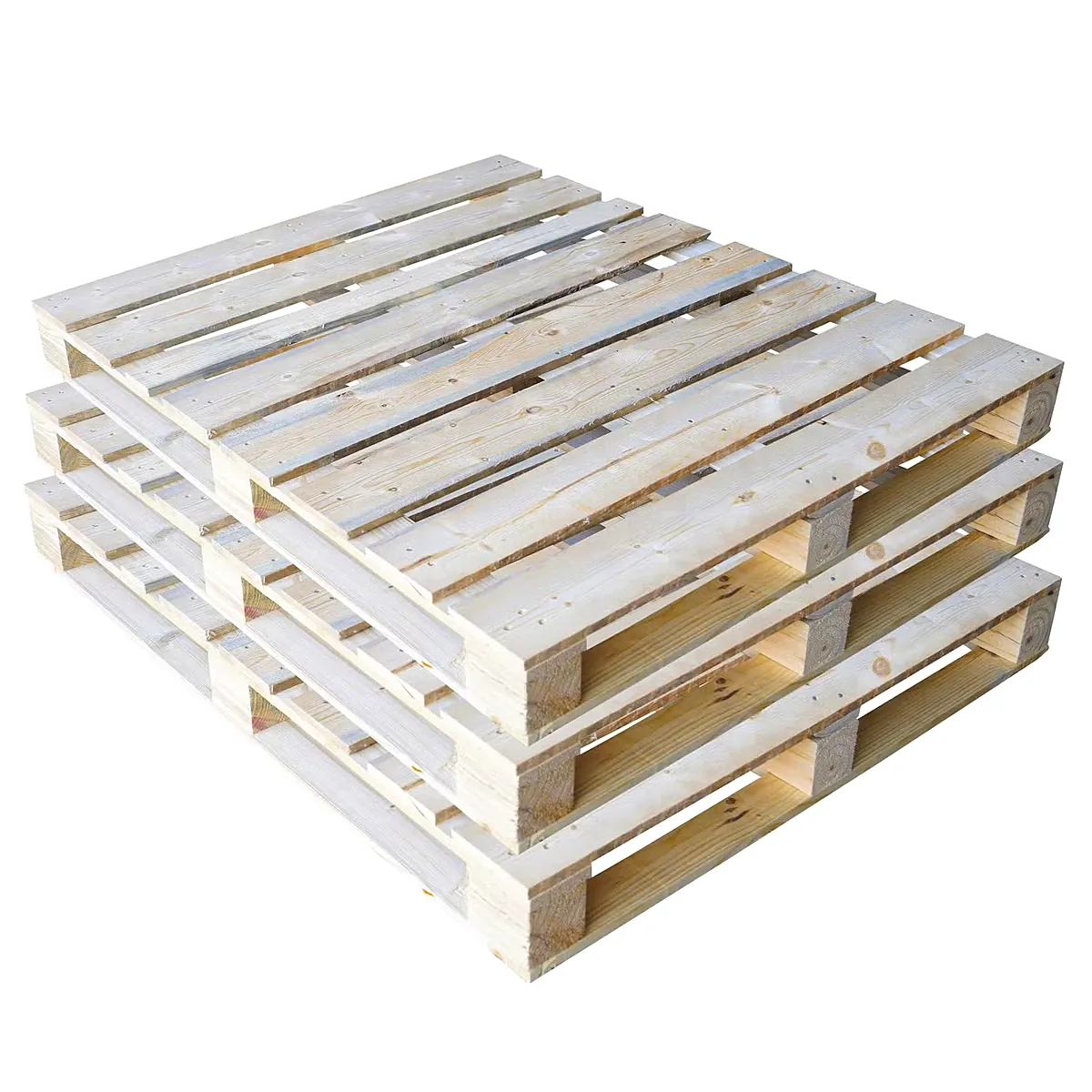
Textiles need pallets. light to mediumThe pallets must be loaded with enough fabric bales or finished cartons; no steel reinforcement is required. The slats must have minimal fibers and splinters, and be free of oil. Machine oil and asphalt residue on the pallet legs transfer to the fabric bales—customers return batches due to dirt, not breakage.
Write on the garment batch slip:
- Load the correct amount of fabric/carton (static/dynamic loading), do not use the 1-2 ton range if the goods are light.
- Pallets contaminated with oil, grease, or dye are prohibited.
- Wood fibers, wood chips: either plane or select strips with fewer fragments. Wood chips embedded in the fabric are a defect.
- Exports: still asking about ISPM 15. Many garment markets require the IPPC mark.
Wooden pallets for the garment industry should not be too heavy. Heavy pallets increase the load on trucks and require more labor for loading. They also shouldn't be so thin that they break when handled by handcarts in containers. Standard dimensions for warehouse shelving are 1,200 × 1,000 or 1,200 × 800 mm. For finished garment warehouses or carton stacking: the pallet surface must be flat, with no overlapping slats tearing the cartons.
Wooden pallets for electronics
Electronics (components, electrical cabinets, ESD cardboard boxes) require pallets. dimensional stability and no chipsThe slats jam after being assembled into the shelves. Wood chips falling into the component boxes is a QA error. Packaging must be dry — wet pallets require moisture to be placed in the boxes or desiccant bags.
Recorded on the electronic batch slip:
- Pallet surface tolerance (mm). Overlapping slats are prohibited.
- The wood has been kiln-dried to the target moisture content specified in the order — the measurement is taken from the form, not from the % figure.
- The surface is free of blemishes and protruding nails.
- No mold or dampness when wrapping goods.
- Exports: ISPM 15; US see more USDA APHIS — Wood Packaging Material.
Wooden pallets used in the electronics industry are typically four-way oriented if the warehouse uses multiple forklift lanes. For heavy goods (cabinets, machinery): record the dynamic load on the delivery slip and ask the factory about the thickness of the slats/legs. The homepage lists the range. 1 to 2 tons — each confirmation code. Do not use the SWL 1,500 kg of EPAL 1 assigned to the processed pallet.
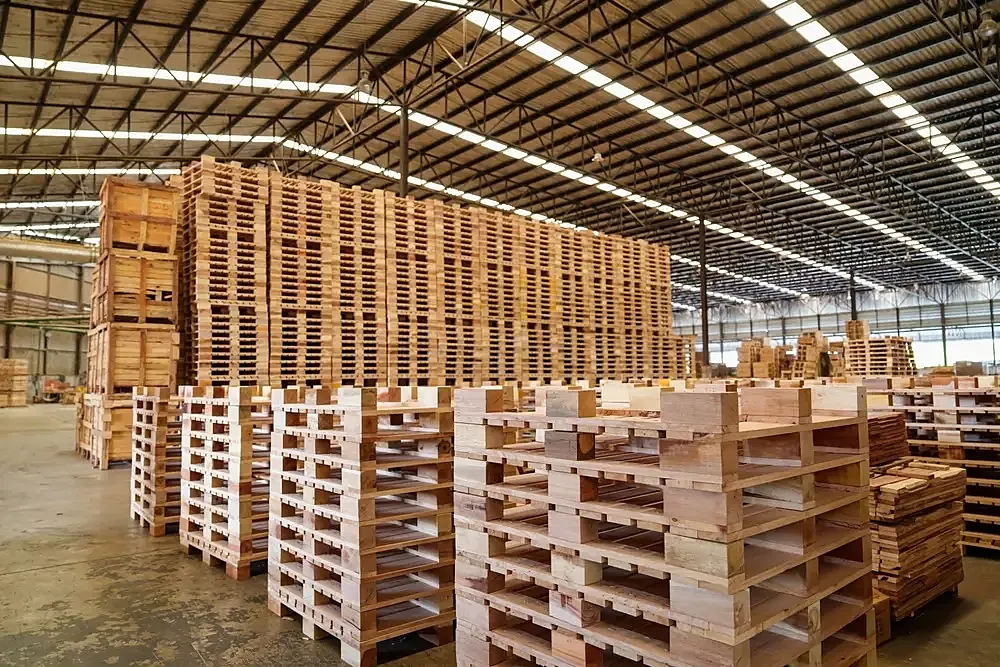
From the same factory, three different invoices.
Hoang Gia Company is located in Ho Nai. The wooden pallets used in the industry are still made of acacia wood, and are still 2-way/4-way. The difference lies in the inspection process before shipment:
- Food: cracked, moldy, oily.
- Textiles: types of oil, wood chips, and dirty fibers.
- Electronics: chip type, protruding nail, wet slat, millimeter offset.
Don't combine a single invoice for "pallet 1,200 × 1,000, 500 pieces" for all three factories in the group. Do three lines, three inspections. Mixed batches are contaminated batches that go through strict QA.
Common mistakes with wooden pallets by industry: using oil pallets from a mechanical workshop in a textile warehouse; using cracked pallets in a powder warehouse; using wet pallets in a components warehouse and then filling them with desiccant bags. All three errors can be avoided if the delivery slip includes the industry name and the warehouse has separate storage areas.
Available stock can be found on the product page: 1,200 × 1,000 mm pallets, 4-way pallets. For sample discrepancies: send drawings, the workshop will process according to the order form — do not use one code for all three industries.
Order wooden pallets by industry at Hoang Gia.
Send the form via contactMinimum:
1. Industry: Food / Textiles / Electronics. 2. Length × Width × Height (mm); 2/4 dimensions. 3. Static/Dynamic Load. 4. Domestic or Export; Market; ISPM 15. 5. Delivery Point — Bien Hoa, Long Thanh, Trang Bom, Nhon Trach: see Dong Nai wooden pallets.
There is no VND price list in the article. There is no % moisture content — the moisture measurement for the electronic batch is finalized directly with the factory when signing the order.
| Branch | A required line on the form |
|---|---|
| Food | Clean / no major cracks / smoked if for export |
| Textiles | Oil banned, wood chips banned; bales of cloth prohibited. |
| Electronics | Tolerance in mm; dry; free from chips and protruding nails. |
Frequently Asked Questions
Do wooden pallets for specific industries need to have three different types of legs?
Not mandatory. Both 2-way and 4-way types are acceptable for food, textile, and electronics industries. The difference lies in quality control: cleanliness, chipping, cracking, moisture, and fumigation. Specify the industry on the order form so the factory knows what to reject; don't just send the dimensions.
Is fumigation of wooden food pallets mandatory?
Domestic market: According to factory QA, fumigation is not always required. Export to many countries: usually requires ISPM 15 and IPPC marking. Fumigation does not replace the requirement of clean, mold-free pallets. Dirty pallets, even after fumigation, will still be returned.
How lightweight should wooden pallets for textiles be?
Lightweight enough to support the fabric bales; do not include the steel frame unless necessary. There are no general weight specifications in the listing. Specify the bale load and forklift requirements. Prioritize pallets with minimal oil and splinter content. Pallets that are too thin and break easily in a container will cost more than slightly heavier pallets.
Do wooden pallets used in electronics need to be dried?
Kiln-dried, dry-packed wood with clearly defined millimeter tolerances should be used. The target moisture content should be stated on the order – finalize the number with the factory upon signing. Chips and protruding nails must be removed. ISPM 15 for export. Wet pallets should not be used in the parts warehouse.
What does an industrial order for wooden pallets placed in Dong Nai require?
Please specify the industry, dimensions (mm), 2/4 way, load, domestic or export, and delivery point. Food: requires cleanliness/cracking. Garments: oil-free. Electronics: tolerances and no chips. Hoang Gia Company — Ho Nai Workshop — 0988526168 — contact form on woodhoanggia.com.
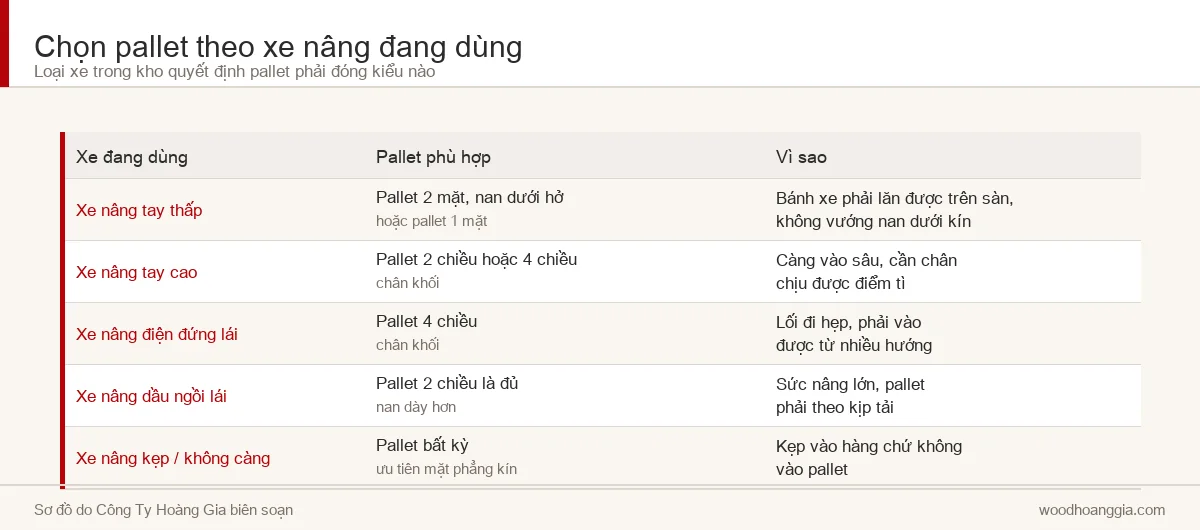
Câu hỏi thuê pallet hay mua pallet nghe như bài toán tài chính, nhưng thực ra nó gọn về một câu hỏi vận hành duy
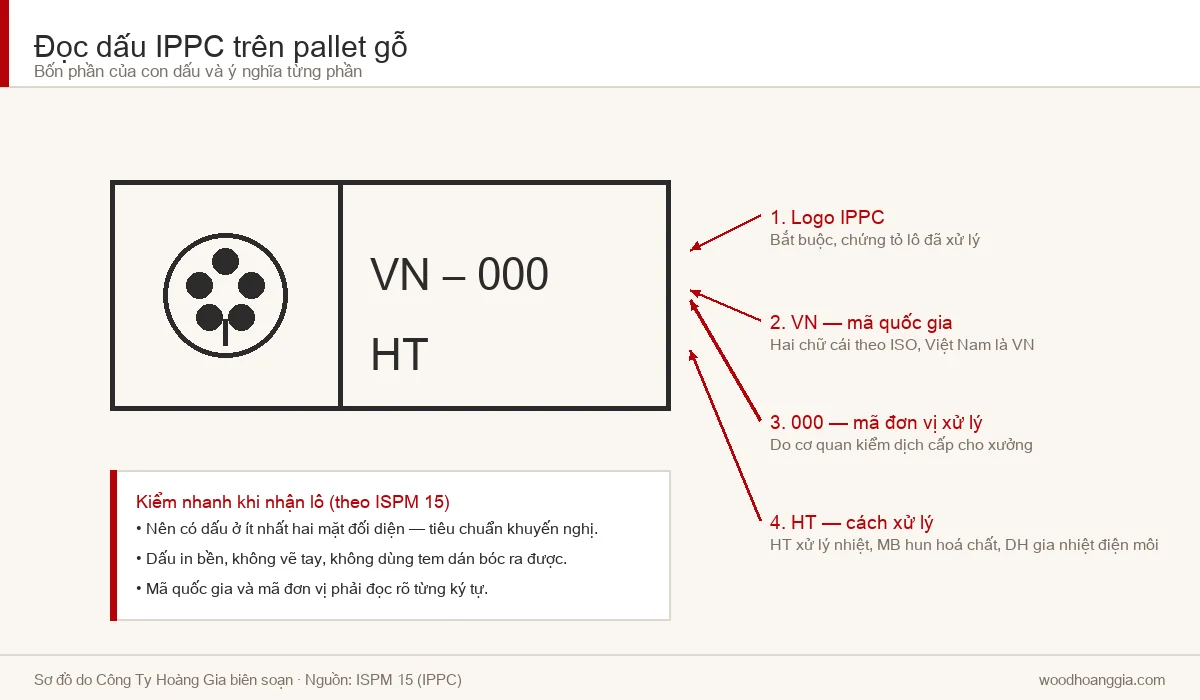
Trên mặt bên của pallet gỗ xuất khẩu luôn có một con dấu nhỏ hình chữ nhật. Nhiều người quen gọi là dấu hun trùng,