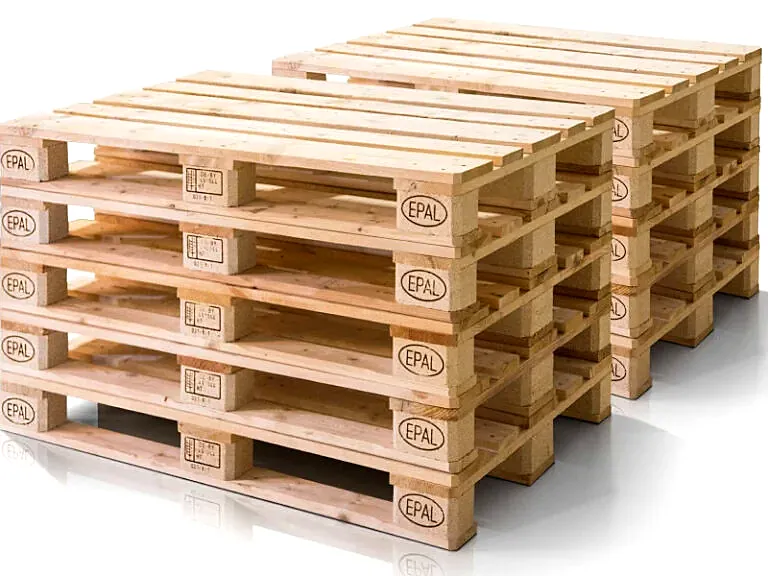
ISPM 15 This is a quarantine standard for timber packaging used in international trade. Full name: Regulation of Wood Packaging Material in International Trade, as issued by IPPC/FAO. Most raw wood pallets for export must be processed according to these regulations. ISPM 15 Then stamped with IPPC. Pallets are usually only used domestically within Vietnam. Are not obligatory.
This article is for warehouse managers and export factories who need to differentiate between heat drying (HT), pallet fumigation with methyl bromide, and the IPPC mark. Data is taken from... ISPM 15 on IPPC port and USDA APHISThis is not a price list.
What is ISPM 15?
ISPM 15 is a set of phytosanitary measures aimed at reducing the risk of pests and diseases associated with wooden packaging accompanying goods. The scope includes pallets, crates, dunnage, and other wooden crates. raw timberThe standard does not protect the timber from pests and diseases later on; it treats the wood before export.
Three points to remember:
- Applicable to packaged wood international travelNot every pallet in the Vietnamese warehouse.
- Wood that has been processed to remove all insects (plywood, OSB) is generally outside the scope.
- After processing, there must be IPPC mark Correct composition. That mark is proof of pre-inspection by the inspector.
Different quarantine standards exist compared to EPAL. EPAL specifies the dimensions of Euro pallets; ISPM 15 specifies the treatment of wood used for packaging. Pallets labeled "EPAL size" may not necessarily have undergone quarantine treatment, and may not necessarily have been approved for packaging by EPAL.
The factory should specify in the contract: whether or not processing is required, the HT/MB/DH code, and whether accompanying documents are needed. Don't just write "fumigation for export."
Is fumigation of pallets mandatory according to ISPM 15?
Optional If the pallets are only for domestic use in Vietnam. Most are mandatory. If the pallets are being shipped overseas, the receiving country must adhere to these standards for wooden packaging.
In factory jargon, "pallet fumigation" is often used for both fumigation and heat drying. Properly, fumigation involves fumigation with gas (usually methyl bromide, code...). MB). Heat drying of wood core is HTDielectric heating is DHAsk the customer which code they received before paying.
When is it usually Are not Needs to be addressed:
- Pallets for goods stored in factories and domestic warehouses, not yet for export.
- Pallets are shipped to provinces and regions, not loaded into export containers.
When most need Process and stamp:
- Pallets are shipped to the EU, the US, Japan, Australia, Canada, and most other markets.
- Pallets are supports for exported goods, including non-wooden goods.
- Wooden wedges, bracing, and pallet liners for container floors — all belonging to the same group of packaging wood.
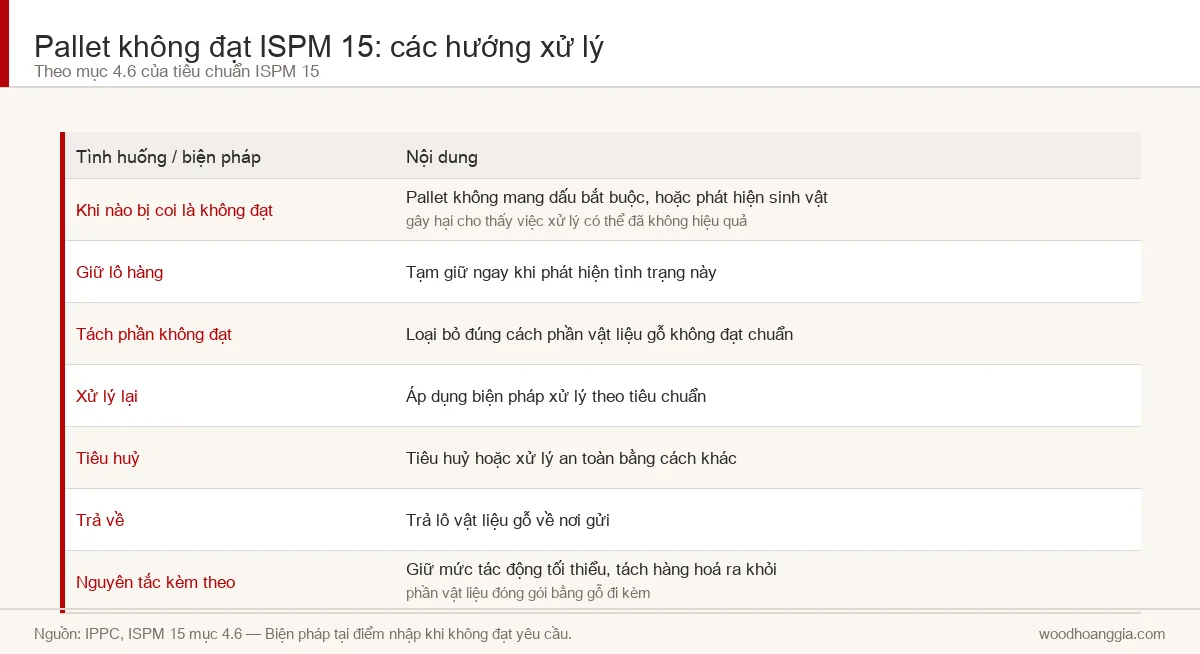
Missing or faded markings may result in the consignment being held, re-fumigated, re-exported, or destroyed. The USDA APHIS accurately describes this for goods entering the U.S.: packed timber must be deep-cleaned, debarked, treated, and bear the IPPC mark. See further details on the treatment process. Processing timber for export according to ISPM 15.
How do HT heat drying, methyl bromide fumigation, and DH drying differ?
The standard outlines three processing methods. Do not invent temperatures or times other than those specified below.
| Stamp code | Name | Core Requirements (IPPC / EPAL) |
|---|---|---|
| HT | Heat treatment — heat drying | Wood core ≥ 56°C in ≥ 30 minutes |
| MB | Fumigation — smoking methyl bromide | Aeration is carried out according to a standard schedule by a licensed facility. |
| DH | Dielectric heating | Heating the dielectric according to the appendix of the standard. |
EPAL also uses HT as a benchmark. 56°C / 30 minutes for pallets in their system. That's the same ISPM 15 threshold, not a separate Royal threshold.
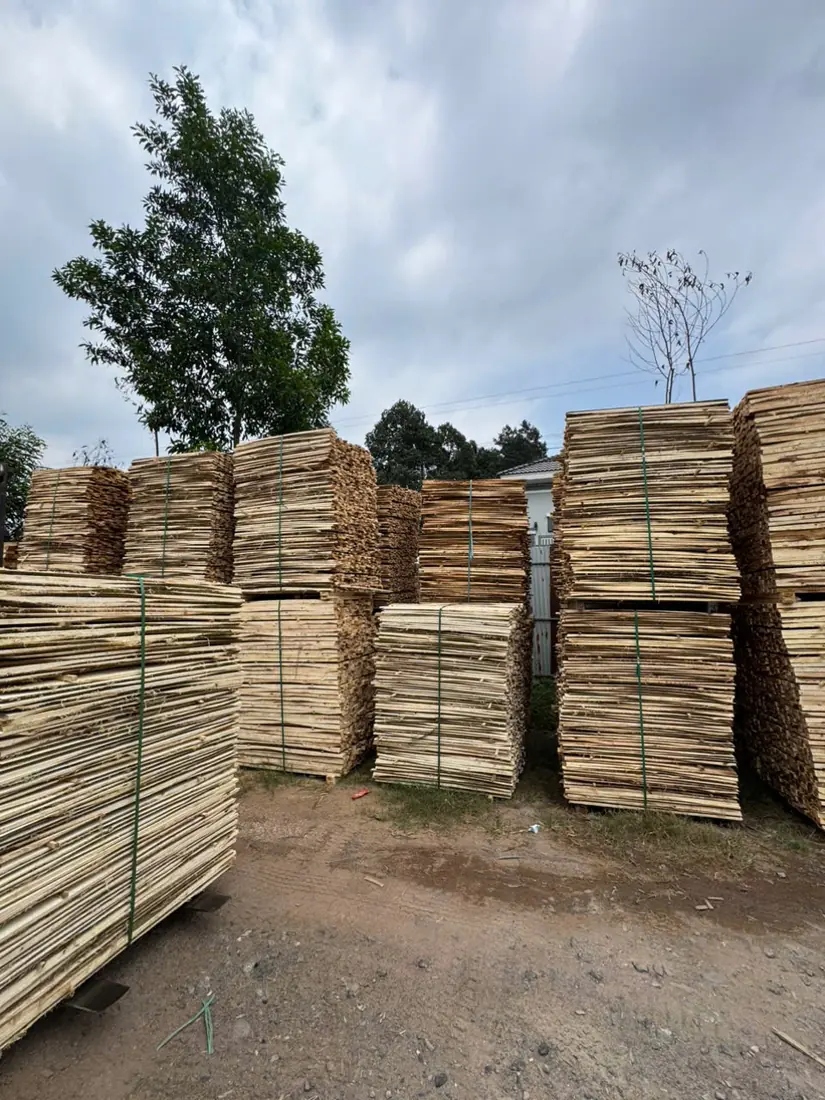
In reality, the most common problems encountered by Vietnamese factories are: HTThe wood is placed in a controlled drying chamber, the core weight is measured, it is left for the required time, and then stamped. The wood is then dried to reduce moisture content before being used for palletizing. Are not Self-proclaimed HT. Lack of core measurement, lack of assigned code, lack of marking — not yet considered to meet quarantine standards.
MB is used when the customer specifies methyl bromide fumigation. Some markets restrict MB; MB fumigation is not defaulted for all batches. DH is less common in typical pallet factories. The old markings do not "cover" newly added slats.
How do you read the IPPC markings on a pallet?
The IPPC mark is a standard box containing all four parts. Missing even one part results in a failed inspection.
1. IPPC logo (Beetles in the plant, correct specimen). 2. Country code — two words, for example VN. 3. Facility code — The number/code of the facility issued by the NPPO of the exporting country. 4. Processing code — HT, MB, or DH.
The USDA APHIS correctly describes this set for goods entering the U.S. (The APHIS page lists HT and MB; the standard also includes the DH code). The mark must be legible, bordered, and stamped on wood — not glued paper that could easily fall off.
This article Are not The Vietnamese factory code is fabricated. The illustrative image is not the Royal Factory code. When placing an order, please check the actual stamp sample: logo, country code, processing code.
Common errors:
- The logo is hand-drawn, but the outline is missing and the details are faded.
- It only has the letters "HT" without the IPPC logo and facility code.
- Paint over the mark and stamp it onto the paper label.
- Mix marked pallets with unmarked pallets in one batch.
Get ready sign This serves as primary evidence. Some customers still request additional processing documents from the establishment. Specify this on the order form if requested by the customer. See more. types of acacia wood pallets for export To determine the appropriate specifications for each market.
Which types of wood are exempt from ISPM 15?
Standard for targeting raw timber materials. The following groups are commonly used. Are not It falls within the scope, therefore no IPPC stamp is required:
- Thin wood ≤ 6 mm.
- Processed engineered wood includes: plywood, OSB, hardboard, parallel-striped plywood, and laminated plywood.
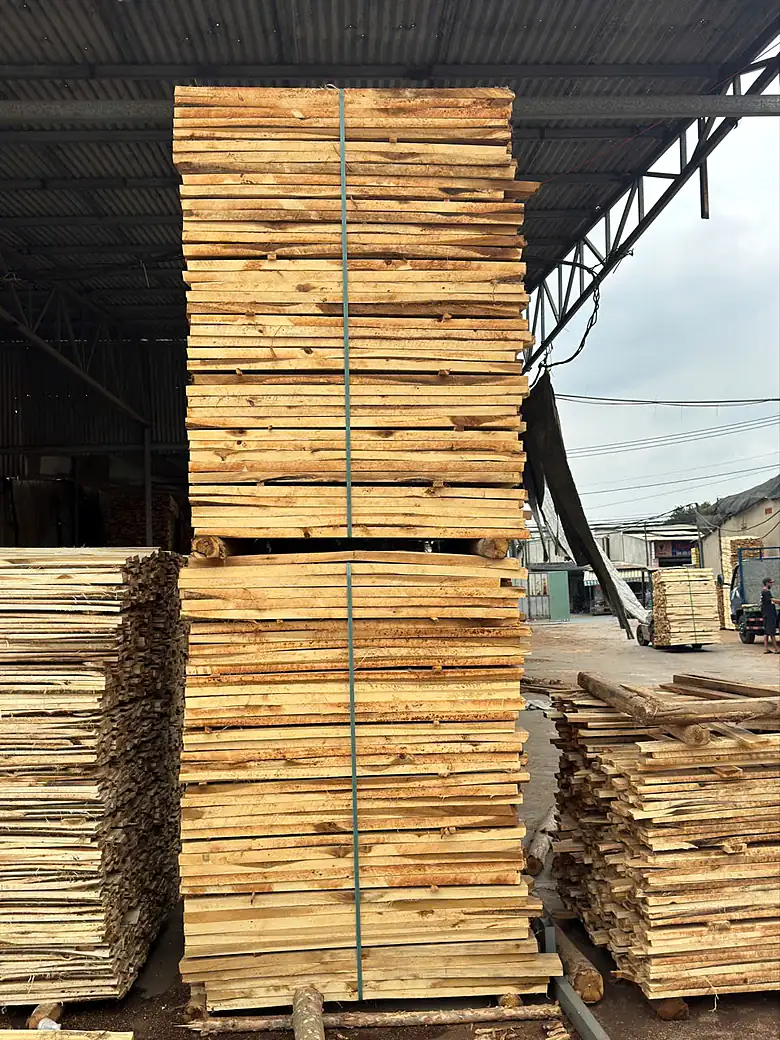
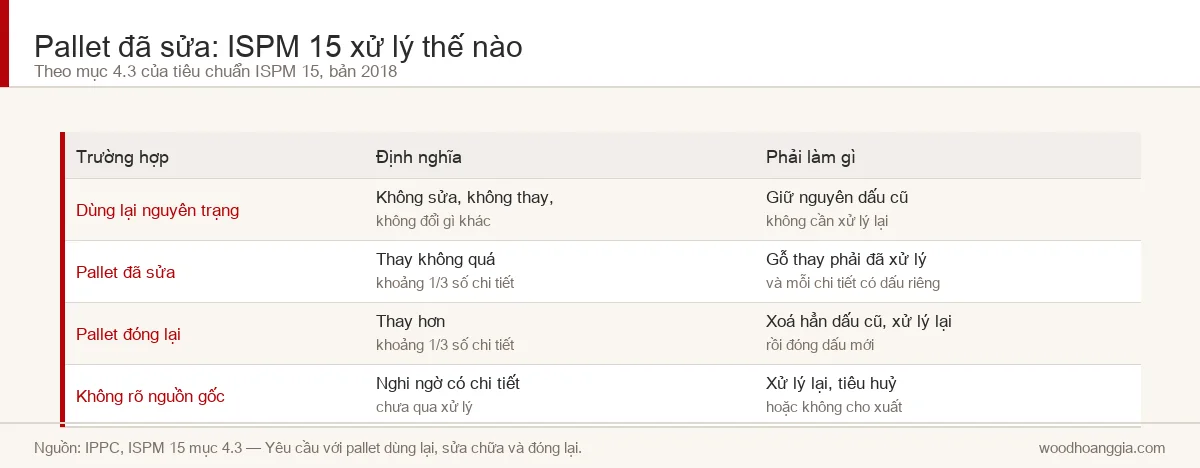
APHIS lists several additional wood substitutes not subject to WPM regulations: plastic pallets, metal frames, and foam inserts. Exempt from scope. Are not This means that acacia wood pallets are exempt from processing. Acacia wood pallets made from sawn slats are still raw wood — they must be processed if exported.
Don't stamp the IPPC mark on plywood just to "be sure." A fake mark or a mark on the wrong object can cause problems during inspections.
How does pallet fumigation differ from heat drying (HT)?
Pallet fumigation (MB) is carried out using methyl bromide gas in a sealed chamber, according to a standard schedule, by a licensed team. After fumigation, the gas must be vented according to a safe procedure. The code stamped on the pallet is MB.
HT heat drying without methyl bromide. Wood is heated to the heartwood. ≥ 56°C and keep ≥ 30 minutesThe closing code is HTThis is the direction most Vietnamese factories choose because it matches the drying chamber and has fewer MB restrictions in the receiving country.
When the order states "fumigation according to ISPM 15", ask the customer again:
- They need the code. HT good MB?
- Do they accept DH?
- Do they need a document with a stamp?
If EU customers only say "process according to standard," most understand it to mean HT and then stamp it. It's still advisable to include the letters HT on the Purchase Order. See the finished product pallet after smoking/drying. Fumigated acacia wood pallets for export..
Do pallets manufactured domestically in Vietnam require ISPM 15?
No, in the sense of mandatory quarantine. ISPM 15 is associated with international trade For wooden packaging. Pallets are stacked in the Dong Nai warehouse, transported internally by forklift, and delivered to factories nationwide — usually without requiring an IPPC mark.
Domestic factories can still operate. self-demand Drying or smoking:
- To reduce termites, woodworms, and dampness.
- The warehouse is shared with export goods, and there's a risk of pallets getting mixed up.
- Domestic tourists should include hygiene clauses in their contracts.
This is a sales agreement, not a quarantine obligation. Don't pay extra for stamping if the pallets are definitely not going to be exported — unless the warehouse wants a unique specification.
Conversely, loading "domestic" pallets onto export containers poses a risk. Even shipments that meet quality standards can be held up because the wooden legs haven't been treated. The rule from the start is: export shipments will be treated and stamped; those remaining in the country will be clearly marked as unstamped.
How does Hoang Gia handle pallets for export?
Hoang Gia Company manufactures acacia wood pallets in Ho Nai, Dong Nai. On their website, the factory lists drying, fumigation, and ISPM 15 stamping services for export pallets. Available product lines include: Fumigated acacia wood pallets for export..
When submitting your request, include these four points:
- Face dimensions (mm), 2-dimensional or 4-dimensional.
- Is the processing done according to standard procedures; HT or MB code?
- Receiving markets (EU / US / Japan / other).
- Quantity and required delivery date.
The base code on the stamp is taken from the licensed facility, not from the article. Download each code from the price list. The Royal homepage states the load capacity range. from 1 to 2 tons.
Need a quote: woodhoanggia.com/contact or page ISPM 15 wood processing for export.
Frequently Asked Questions
Are ISPM 15 standards mandatory for pallets manufactured domestically in Vietnam?
No. This standard applies to wood packaged for international shipment. Pallets used in warehouses and forklifts domestically usually don't require the IPPC mark. Factories may still require drying or fumigation to reduce insect infestation; that's a contract clause. Pallets that are later loaded into export containers must be treated and marked.
Is methyl bromide always used for fumigating pallets?
No. Fumigation with methyl bromide is just one method, code MB. Many Vietnamese export pallets are heat-dried using HT: wood core ≥ 56°C for ≥ 30 minutes, then stamped. DH is a third method. Ask the customer which code they are receiving before writing "fumigation" on the order.
Do plywood pallets need the ISPM 15 mark?
Usually not. Standard wood types include processed wood such as plywood, OSB, and wood with a thickness of ≤ 6 mm. Acacia wood pallets are still raw wood — they need processing for export. Don't just stamp IPPC on plywood for the sake of it.
What does an IPPC seal need to have?
The IPPC logo, the two-letter country code, the assigned facility code, and the HT/MB/DH processing code are all important information. Missing any part or illegible marking may result in the batch being considered unsatisfactory by inspectors. This article does not disclose the Vietnamese facility code. Please check the factory's actual seal upon receipt of the goods.
Can dried acacia wood be considered ISPM 15?
Not necessarily. Drying to reduce moisture is different from heat treatment. Only when the core reaches ≥ 56°C for ≥ 30 minutes, by a licensed facility, and is properly marked with the IPPC seal, can it be considered standard processing. Without core measurement or the seal, it's still considered a standard drying pallet.
Container tới cảng đến, hải quan nước nhập kiểm và phát hiện pallet không đạt ISPM 15. Lúc này chuyện gì xảy ra với lô
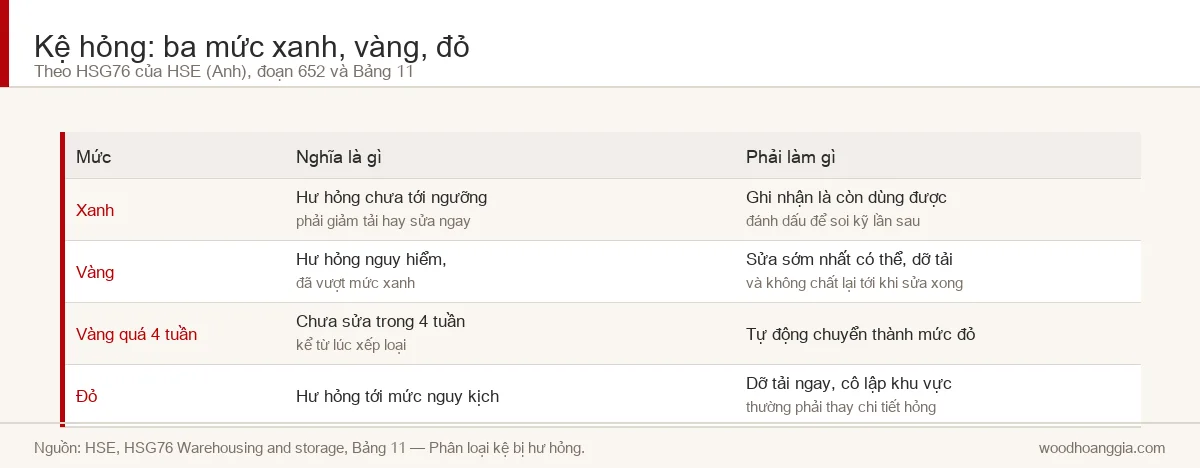
Chân kệ bị xe nâng quệt móp một vệt. Nhìn thì vẫn đứng vững, hàng vẫn nằm yên trên đó. Nhưng vệt móp ấy có