ISPM 15 Wood Processing for Export
The ISPM 15 wood treatment for export involves heat drying or fumigating the pallets/wooden crates, then stamping them with the IPPC mark, allowing the shipment to pass through customs. Hoang Gia Company manufactures and processes acacia wood pallets according to export orders at its Ho Nai factory in Dong Nai.
Most pallets for international shipping are required to meet ISPM 15 standards. Pallets intended for domestic use are not. See the standard explanation here. What Is ISPM 15? Is Fumigation Required? then send the application through contact page.
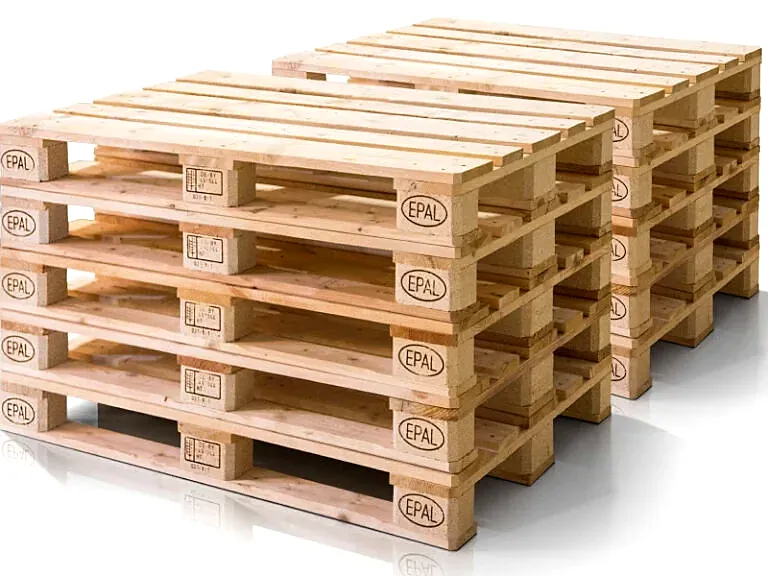
What steps are involved in processing timber for export under ISPM 15?
ISPM 15 (IPPC/FAO) stipulates that timber packed for export must be treated and then marked. Two common methods are:
- Heat drying (HT) — The wood core must reach a minimum temperature of 56°C for at least 30 minutes (IPPC/EPAL document).
- Insecticide (MB) — Fumigation with methyl bromide, availability in the market may or may not be accepted.
After processing, the pallets are stamped with IPPC: logo + country code + base code + processing code (HT or MB). Thin wood ≤ 6 mm and some engineered wood (plywood, OSB) are usually exempt — solid acacia wood pallets are not included in the exemption group.
Hoang Gia accepts orders for pallet manufacturing and processing. Certificates of Origin (CO), Certificates of Quality (CQ), and fumigation certificates are provided upon customer request. The EU, US, and Japanese markets all require ISPM 15, but differ in pallet surface specifications — see details below. Export Pallet Standards: EU, US and Japan.
When should ISPM 15 processing be implemented?
- Pallets, supports, and wooden crates are used to accompany exported goods.
- The consignee or forwarder requires the IPPC mark to be placed on each pallet.
- Shipments go to the US (USDA APHIS), EU, Japan, and most other markets.
It's not necessary if the pallets are only used within the domestic warehouse and not exported to border crossings. Don't fumigate the entire domestic shipment just to be safe — it's costly and doesn't add any benefit domestically.
Ready-made export pallets: Fumigated acacia wood pallets for export.Container size: 1,200 × 1,000 mm.
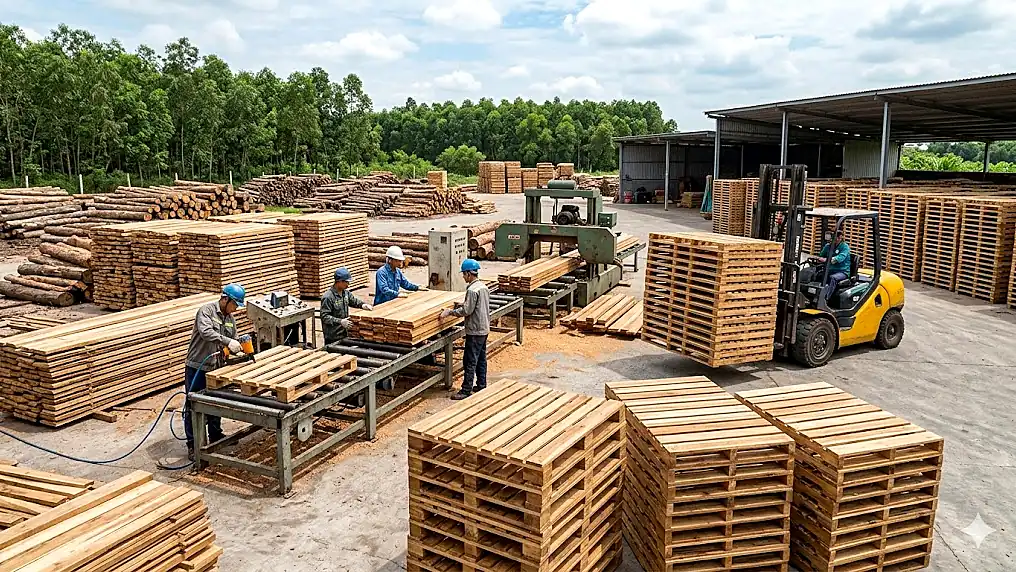
What do I need to send when placing a processing order?
- Number of pallets or wooden crates.
- Receiving market (country/region).
- Pallet specifications; custom-made or pre-made.
- Required documents: IPPC seal, processing report, Certificate of Origin/Certificate of Quality.
The processing fee is added to the pallet price and is not publicly displayed separately on this page. Prices are quoted per batch.
Frequently Asked Questions
What is the difference between fumigation and heat drying?
Both methods aim to eliminate pests in the wood. Heat drying (HT) uses heat; fumigation (MB) uses chemicals. Many markets prefer HT. Choose according to the requirements of the receiving country, as stated on the order – not based on workshop practice.
Can pallets already stamped with ISPM 15 be reused?
Pallets with original markings and without any alterations to the slats/legs made of untreated wood are still accepted in many markets. However, alterations using new, untreated wood will invalidate the markings. Consult your forwarder before re-exporting old pallets.
Does the Royal Family use the EPAL seal?
The factory produces pallets of the same size as EPAL 1. The official EPAL mark is only issued by facilities licensed by EPAL. Do not write "EPAL pallet" on the declaration form if you do not have a license. Ask for clarification before printing the documents.
Is ISPM 15 mandatory domestically?
No. This standard applies to timber packed in international trade. Domestic warehouses do not require the IPPC mark.
The export shipment needs to be processed: Please send the quantity, market, and specifications. contact page or 0988526168.